

PG-CHB-01
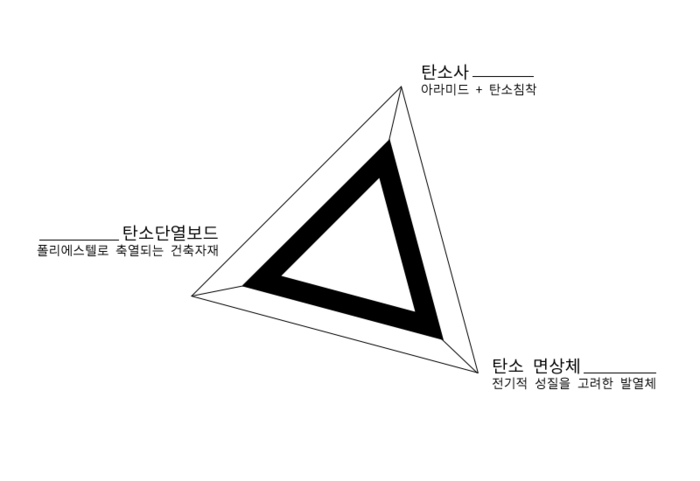
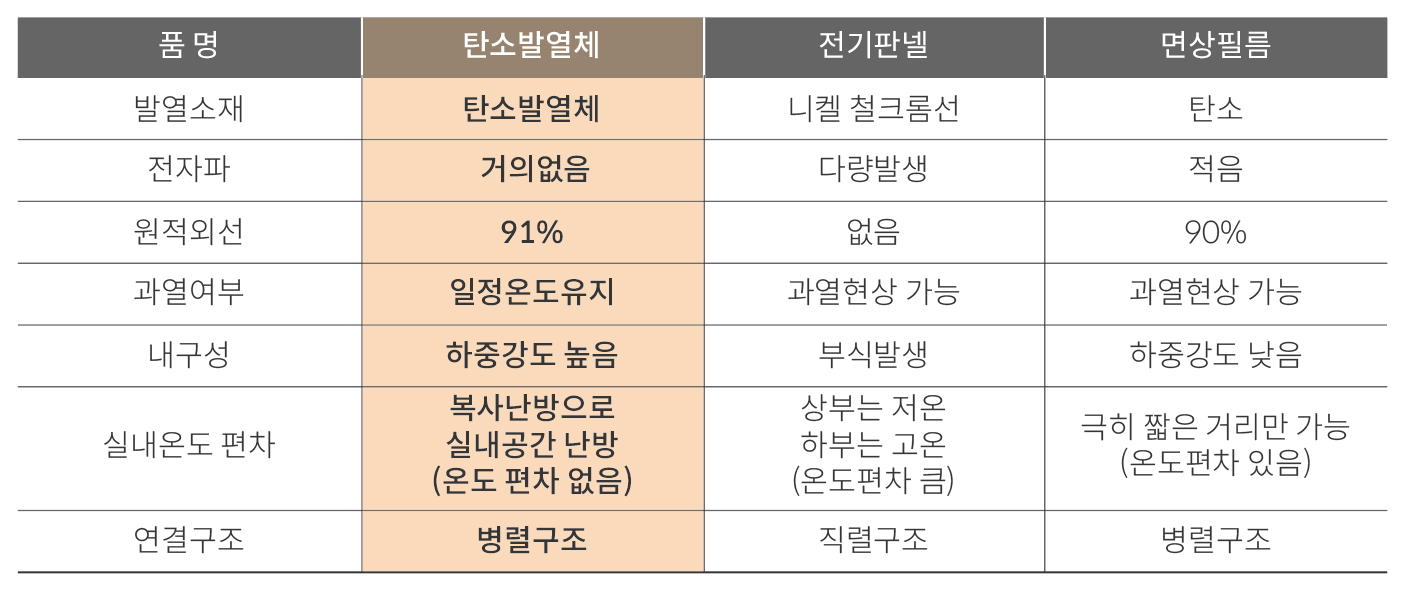
Carbon, as an element, exhibits characteristics of both metals and minerals. It has properties of a semiconductor, existing between a conductor and an insulator, which behaves differently from the commonly known formula I=VR. By leveraging these characteristics in heating products, energy efficiency has been improved by 10% to as much as 50% compared to traditional methods, confirming its stable performance as a heating element.
Carbon has significant advantages over traditional materials like steel in terms of strength and weight. However, the carbon we use focuses on its heating properties rather than its strength-to-weight ratio. To make carbon easier to process, we blend carbon extracted from minerals into a liquid form and apply it to aramid fibers through a coating process, creating carbon yarn, which forms the core of the carbon heating element.
Blending carbon involves fluidizing it so that it can be applied to aramid fibers, which can withstand temperatures of up to 600°C without deformation. The ratio of carbon to other materials affects the flow of current and the extent of coating, making this blending process a critical technology in producing high-quality carbon yarn.
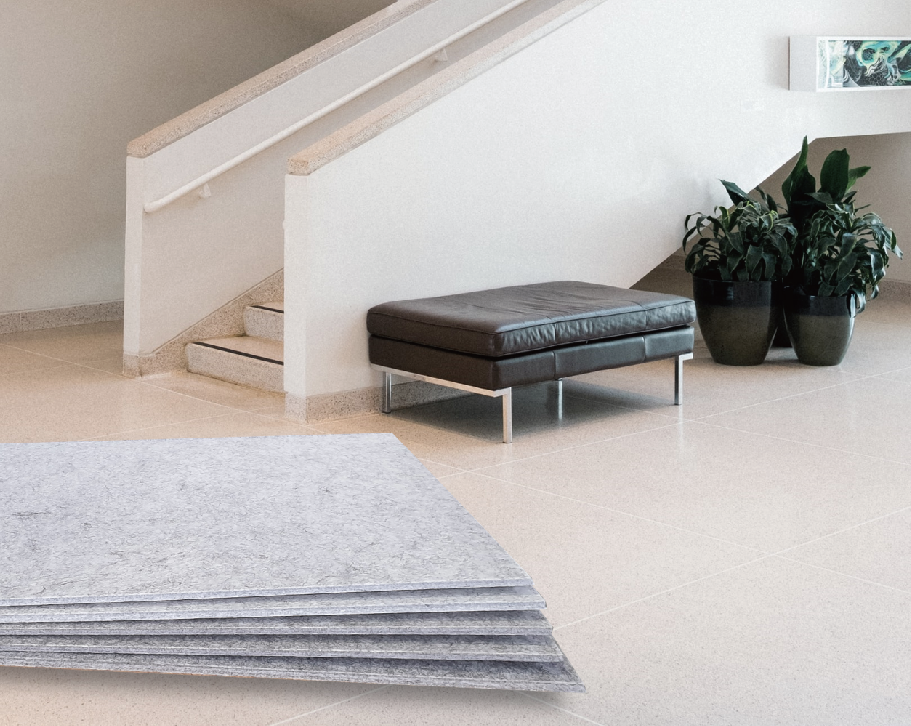
The woven carbon yarn is encased in polyester to complete the product. By compressing it with 300 tons of pressure, the carbon heating board is completed by placing a surface heating element between 50mm-thick polyester layers, resulting in a board less than 1 cm thick. This board provides optimal strength and usability as a construction material.
Unlike conventional electric heating products, carbon heating elements do not follow the typical V = IR characteristics. Instead, they rely on radiant heat energy. They are designed not for the rapid dispersal of extremely high temperatures, but rather for low-temperature heat storage, which radiates heat to create a comfortable warmth in the space. This radiant heat also emits abundant far-infrared radiation and negative ions, providing additional benefits.
Generally, carbon is often compared to strong metals. In terms of energy and heating products, carbon has properties that surpass traditional metals. As research and development continue, carbon remains a relatively undiscovered material with the potential to produce higher-quality products.
T 063-212-6050 ㅣ F 063-212-6051 | pitch153@naver.com
121 Sinbok-ro, Deokjin-gu, Jeonju-si, Jeollabuk-do (Palbok-dong 1-ga)
Copyright ⓒ ©2020 by Pitch&Glovis